Airbnb House Rules Template: Protect & Boost Reviews
Discover 7 expert-approved Airbnb house rules template examples. Get copy-paste templates for parties, pets, and safety to protect your rental and boost
Every seasoned Airbnb host knows that a clear set of house rules is the first line of defense against misunderstandings, property damage, and negative reviews. But the best rules do more than just prohibit. They set expectations, build trust, and can even improve the guest experience. Gone are the days of a single, intimidating list of "don'ts." Today's top hosts use thoughtful rule sets as a strategic tool.
In this guide, we'll break down seven distinct types of Airbnb house rules templates, providing ready-to-use copy, strategic analysis, and actionable tips. We'll show you how to move from a generic list to a powerful communication asset that filters for your ideal guest, protects your property, and even opens up new revenue streams. Let's explore the templates that will help you host with confidence and clarity, covering everything from check-in logistics to neighborhood harmony.
Table of Contents
- 1. The Comprehensive Guest Conduct & Property Care Template
- 2. The Check-In/Check-Out Logistics & Access Template
- 3. The Family-Friendly & Safety-Focused Template
- 4. The Minimal & Guest-Centric 'House Vibes' Template
- 5. The Technology & Smart Home Operations Template
- 6. The Local Respect & Neighborhood Harmony Template
- 7. The Revenue-Enablement & Upsell Integration Template
- 7-Way Comparison of Airbnb House Rules Templates
- Putting It All Together: Your Dynamic House Rules Strategy
1. The Comprehensive Guest Conduct & Property Care Template
This foundational Airbnb house rules template is the bedrock for hosts who prioritize property protection and guest accountability. It's a detailed, all-encompassing guide that clearly defines expectations for guest conduct, property maintenance, noise levels, and liability. Think of it as a friendly but firm agreement that protects your investment, your neighbors, and the guest experience.
This template is especially useful for properties in noise-sensitive urban areas or luxury rentals where equipment and amenities require specific care. For example, hosts of a Manhattan apartment might use it to enforce strict quiet hours after 10 PM and set clear occupancy limits to comply with building regulations. Similarly, a Bali villa owner could implement detailed rules about pool safety, staff interaction, and party restrictions to maintain a tranquil atmosphere.
Why This Template Works
The strength of this approach lies in its clarity and thoroughness. It leaves little room for ambiguity, which can prevent misunderstandings that lead to disputes or property damage. By addressing everything from parking instructions and trash disposal to smoking policies and the proper use of appliances, you set a professional tone from the start.
Key Insight: A comprehensive set of rules doesn't have to feel restrictive. When presented clearly and politely, it demonstrates your commitment to providing a safe, clean, and well-maintained property for all guests.
Actionable Tips for Implementation
- Prioritize and Organize: Place your top 3-5 most critical rules (e.g., no parties, no smoking, quiet hours) at the very beginning for immediate visibility. Use collapsible sections in a digital guide for detailed policies so guests aren't overwhelmed.
- Go Visual: Complement text with icons or simple diagrams. A "no smoking" icon is universally understood. For complex instructions, like operating a smart TV or a hot tub, a short video demonstration can prevent guest frustration and potential misuse.
- Integrate into Your Guide: Add these rules to your digital welcome book. Modern platforms allow you to pin locations like designated parking spots or recycling bins on a map, making compliance easy. Creating a well-structured guide is a vital part of guest communication, and you can learn more about building an effective vacation rental welcome book here.
2. The Check-In/Check-Out Logistics & Access Template
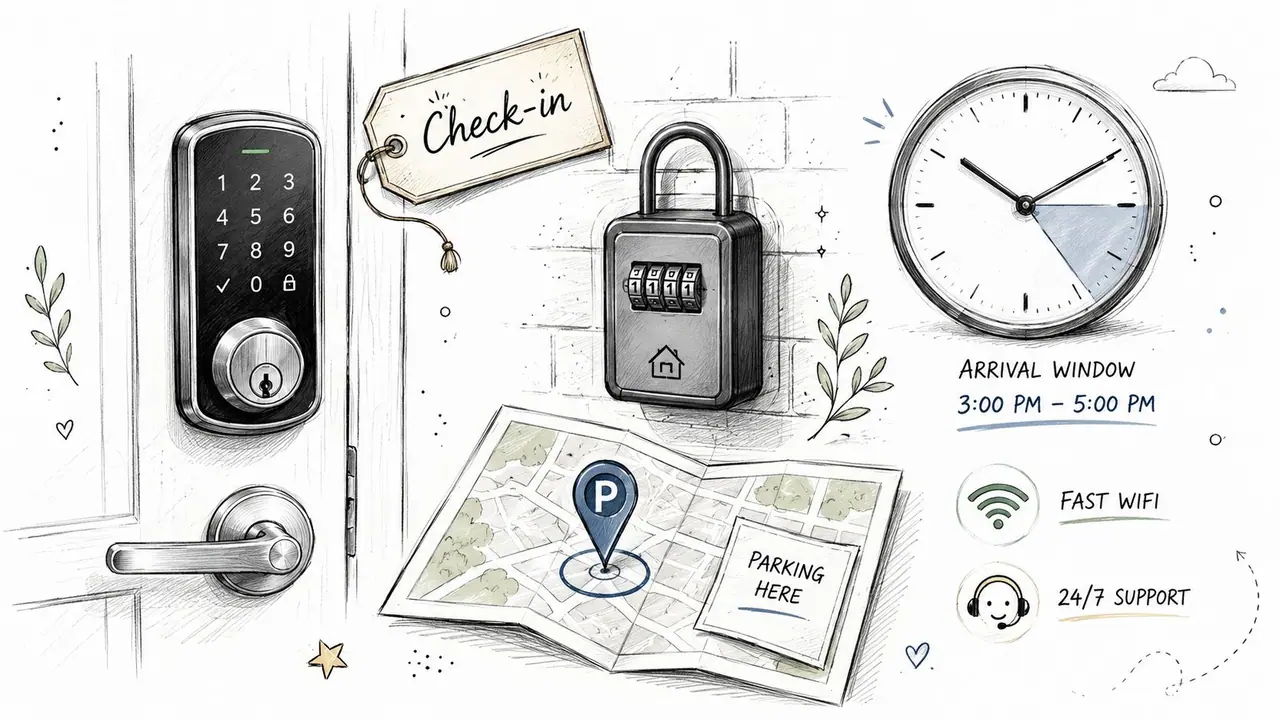
This focused Airbnb house rules template is dedicated to ensuring a seamless arrival and departure experience. It centers on the critical logistics of access, including keyless entry codes, lockbox instructions, parking details, and building navigation. It’s a practical guide that aims to eliminate guest confusion and reduce the constant back-and-forth communication that can dominate the hours before and after a stay.
This template is essential for properties with high guest turnover, self-check-in systems, or complex entry procedures. For instance, hosts of an urban apartment complex can provide clear instructions for navigating building security and finding a specific unit. Likewise, a host with a property in a gated community can use it to detail gate codes, designated parking spots, and how to use a smart lock, ensuring guests feel confident and secure from the moment they arrive.
Why This Template Works
The power of this template is its preventative approach. By anticipating questions and providing clear, step-by-step instructions, you prevent problems before they start. This not only improves the guest experience but also saves you valuable time and stress. It sets a professional, organized tone and shows guests you have considered every detail of their journey.
Key Insight: A smooth check-in is the first impression of your hospitality. A clear access guide makes guests feel welcome and capable, setting a positive tone for their entire stay.
Actionable Tips for Implementation
- Time Your Communication: Send this specific section of your rules or welcome book via message 24 hours before check-in. This timing is perfect, as guests are actively planning their travel and will appreciate the timely information.
- Provide Backup Plans: Technology can fail. Always include a backup access method, such as a hidden key or a secondary lockbox code, along with a 24/7 emergency contact number for immediate assistance.
- Use Visual Aids: Embed a short video demonstrating how to use your smart lock or navigate a tricky entrance. On a digital map, pin exact locations for parking spaces, key pickup spots, and building entrances to leave no room for error. If you are exploring keyless options, you can find the best smart lock for Airbnb to simplify this process.
3. The Family-Friendly & Safety-Focused Template
This specialized Airbnb house rules template is crafted for hosts welcoming families with children, building parental confidence by putting safety first. It clearly communicates protocols for high-risk areas like pools, outlines rules for using family amenities, and sets a tone of responsible care. This approach helps protect both your younger guests and your property from liability.
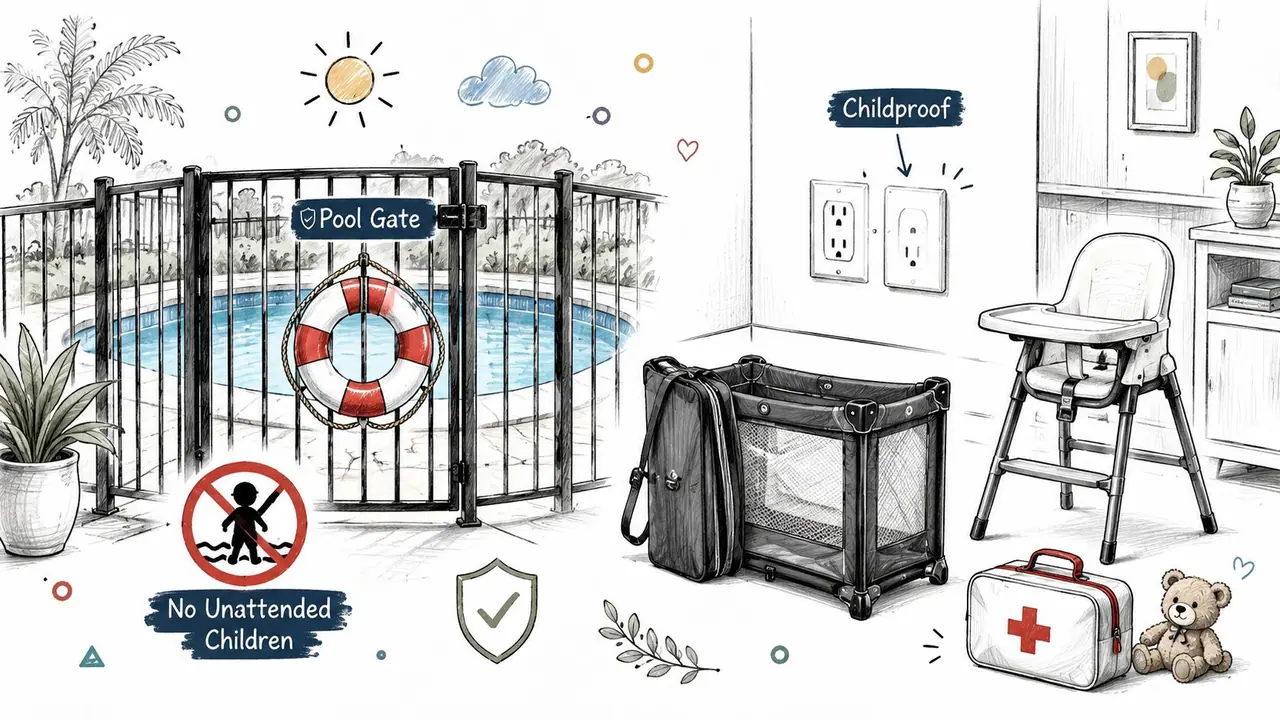
This template is essential for properties marketed toward families, such as a beach house with a pool, a suburban home with a playset, or a condo near a theme park. For instance, a host with a yard and trampoline can use it to specify adult supervision requirements. Similarly, a property with a fireplace or balcony can detail childproofing measures and guest responsibilities, ensuring a safe and stress-free stay for parents.
Why This Template Works
Its effectiveness comes from proactive communication and demonstrated care. By addressing safety concerns head-on, you show families that their well-being is your priority, which can be a powerful booking incentive. It also establishes clear boundaries and liability terms, protecting you in case of an accident. The rules focus on prevention, not restriction, by explaining the why behind each guideline.
Key Insight: A family-focused rule set isn't about listing dangers; it's about showcasing your commitment to a safe environment. It turns potential liabilities like pools or balconies into well-managed, secure amenities that attract your ideal guests.
Actionable Tips for Implementation
- Create a Safety Checklist: Develop an easy-to-read "Family Safety Checklist" within your welcome guide. Use expandable sections for details on pool gate locks, outlet covers, and cabinet latches so parents can quickly confirm the home is secure.
- Map Emergency Services: In your digital guide, embed a map that pins the locations of nearby pediatricians, 24-hour pharmacies, and hospitals. This practical resource adds immense value and peace of mind for traveling parents.
- Offer Family-Friendly Upsells: Use your rules and welcome book to offer paid add-ons. Suggest a "childproofing package" for an extra fee or partner with a local service to offer baby equipment rentals like cribs and high chairs, creating an additional revenue stream.
4. The Minimal & Guest-Centric 'House Vibes' Template
This Airbnb house rules template flips the script, moving away from a long list of prohibitions and toward a warm, welcoming guide centered on mutual respect. It distills expectations down to 2-5 core "vibes" or principles, using a conversational voice to build rapport and trust. Think of it as setting the tone for a positive stay rather than enforcing a strict contract.
This approach is perfect for boutique properties with a strong brand identity, eco-lodges prioritizing mindful living, or any host who wants their personality to shine. For instance, an indie host of a desert retreat might ask guests to "honor the quiet of the landscape" instead of listing rigid quiet hours. Similarly, a host of an urban loft with a unique art collection could request guests to "be gentle with our home’s artful soul" to encourage care for the decor.
Why This Template Works
The strength of this template lies in its psychological impact. By framing rules as shared values, it encourages guests to become partners in preserving the property's atmosphere. This fosters a sense of connection and responsibility, often leading to better compliance and more glowing reviews than a sterile, corporate-sounding list. It’s a method that prioritizes the human element of hospitality.
Key Insight: Minimalist rules communicate trust. When you show guests you believe they will be respectful, they are more likely to live up to that expectation, leading to a better experience for everyone.
Actionable Tips for Implementation
- Lead with Personality: Start with a brief, personal note from you, the host. Share why you love your home and what makes it special, then frame the rules as ways to help preserve that "magic."
- Soften Your Language: Replace firm commands with gentler suggestions. Instead of "No Parties," try "We cherish our peaceful community, so please be mindful of our neighbors and keep noise to a minimum after 10 PM."
- Add Value and Connection: Reinforce your hospitality by including a link to a curated "House Playlist" on Spotify or a list of your favorite local cafes. These small touches make your rules feel like a friendly guide, which can greatly improve guest satisfaction.
5. The Technology & Smart Home Operations Template
This specialized Airbnb house rules template focuses on the proper use and care of smart home devices, automated systems, and connected appliances. It’s designed to prevent misuse, avoid guest confusion, and ensure that your technology-driven amenities remain a highlight, not a headache. For hosts with smart thermostats, keyless entry, advanced security systems, or even EV charging stations, this template is essential.
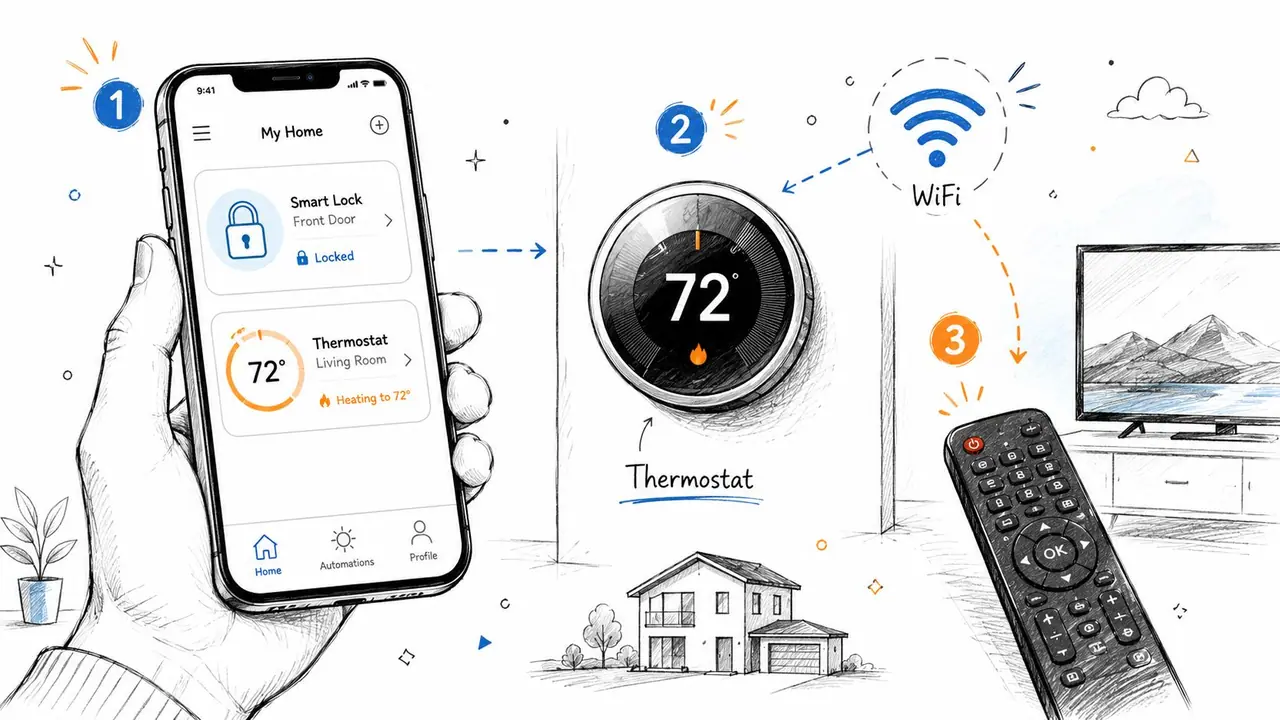
This approach is perfect for modern urban apartments that use August smart locks or luxury rentals with integrated systems like Control4. It is also critical for properties advertising premium amenities, such as high-speed business WiFi or a dedicated Tesla charging station, where specific operating instructions are needed to deliver a seamless experience.
Why This Template Works
The value of this template comes from its proactive approach to guest education. Instead of waiting for a late-night call about a confusing smart TV remote, you provide clear, simple instructions upfront. This not only reduces your support burden but also empowers guests to fully enjoy the high-tech features you've invested in, improving their overall stay and boosting your reviews.
Key Insight: Clear instructions for your property's technology turn potential points of frustration into valuable, memorable amenities. A well-explained smart home is a feature; a confusing one is a flaw.
Actionable Tips for Implementation
- Create a Tech Cheat Sheet: Design a simple, one-page PDF guide with quick-start instructions for each device. Include WiFi network details, passwords, and basic troubleshooting steps. Make this downloadable in your digital welcome book.
- Use Video Walkthroughs: A short video is often the best way to explain how to use a smart lock, thermostat, or entertainment system. Embed these directly into your digital guide for easy access.
- Provide Simple Troubleshooting: For common issues like a disconnected WiFi network or a streaming app that needs a restart, create simple flowcharts or "if-then" instructions that guests can follow without needing to contact you immediately.
- Highlight Security Best Practices: Remind guests to log out of their personal accounts on streaming services like Netflix or Hulu. Also, include a note about not sharing access codes for smart locks or security systems.
6. The Local Respect & Neighborhood Harmony Template
This community-focused Airbnb house rules template is designed to protect your most valuable asset: your relationship with your neighbors. It frames your rules around the idea of being a good neighbor, emphasizing respect for local customs, noise management, and proper parking. This approach is less about listing prohibitions and more about inviting guests to genuinely integrate into and appreciate the community they are visiting.
This template is critical for hosts in dense urban neighborhoods like San Francisco or London, where close quarters can lead to friction. It is also perfect for suburban homes with strict noise ordinances or historic districts with preservation societies. For example, a host in a quiet residential cul-de-sac could use this template to clearly explain parking etiquette and shared-space boundaries, preventing guest vehicles from blocking a neighbor's driveway.
Why This Template Works
Its effectiveness comes from its positive, collaborative tone. Instead of a list of "don'ts," it presents guidelines as a way for guests to "live like a local" and contribute positively to the neighborhood. This fosters a sense of shared responsibility and respect, making guests partners in maintaining community harmony rather than just temporary occupants.
Key Insight: Framing rules around community respect can be more effective than punitive language. When guests understand the why behind a rule (e.g., "Quiet hours help us stay friends with our neighbors"), they are more likely to comply willingly.
Actionable Tips for Implementation
- Lead with a Personal Welcome: Start your rules with a genuine message about why you love your neighborhood and its community. This sets a warm, personal tone and encourages guests to share in that appreciation.
- Create a Neighborhood Guide: Embed a map in your digital welcome book that highlights key neighborhood-friendly locations. Pinpoint designated trash/recycling areas, quiet parks, and recommend local businesses to support the community's economy.
- Provide Etiquette Tips: Don't assume guests will know local norms. Offer simple tips, such as how to greet neighbors, common quiet times, or traditions specific to your area. This shows you are a thoughtful and responsible host.
7. The Revenue-Enablement & Upsell Integration Template
This strategic Airbnb house rules template transforms a standard document into a powerful revenue channel. It skillfully integrates monetization opportunities by framing service upsells-such as late checkout, private transfers, or equipment rentals-as premium guest amenities. This approach shifts the purpose of your rules guide from a purely informational tool to a subtle, effective sales platform.
This template is ideal for hosts managing properties with high-value add-on potential. For instance, an airport-adjacent apartment can offer pre-booked transfer services, while a beach house can rent out surfboards and paddleboards directly. Similarly, a host managing a mountain cabin could promote guided hikes or bike rentals, presenting them as convenient solutions to enhance the guest’s stay.
Why This Template Works
The effectiveness of this method comes from its convenience-first positioning. Instead of feeling like a sales pitch, these offers appear as thoughtful solutions to common guest needs, presented at the exact moment they are planning their trip activities. This non-intrusive approach improves the guest experience while creating new income streams.
Key Insight: Framing upsells as guest-centric amenities within your house rules builds value and trust. It shows you anticipate guest needs and are prepared to meet them, turning a simple rule book into a concierge-like service.
Actionable Tips for Implementation
- Position as Solutions: Frame each offer around a guest benefit. Instead of "Rent a bike for $30," try "Explore the local trails with ease! Our on-site bike rentals are ready when you are."
- Simplify the Booking Process: Use QR codes or direct links that lead to a simple checkout page for each service. The fewer clicks required, the higher the conversion rate. One-tap upsell features in digital guides are perfect for this.
- Use High-Quality Visuals: Include professional photos or short videos for each service. Showcasing the quality of your rental equipment or the comfort of a private transfer makes the offer more compelling and justifies the price.
7-Way Comparison of Airbnb House Rules Templates
| Template | Implementation Complexity 🔄 | Resource Requirements ⚡ | Expected Outcomes 📊 | Ideal Use Cases 💡 | Key Advantages ⭐ |
|---|---|---|---|---|---|
| The Comprehensive Guest Conduct & Property Care Template | High — detailed clauses, legal wording, customized enforcement | High — legal review, translations, monitoring, possible deposits | Fewer liability incidents; clearer dispute resolution; lower neighbor complaints | Multi-property portfolios, noise-sensitive or shared-amenity properties | ⭐⭐⭐⭐ — strong legal protection; comprehensive expectations; reduces misunderstandings |
| The Check-In/Check-Out Logistics & Access Template | Low–Moderate — focused, procedural, easy to standardize | Low — clear instructions, tech setup for smart locks, occasional updates | Fewer access support tickets; smoother arrivals/departures | Smart-lock properties, high-turnover listings, remote hosts | ⭐⭐⭐⭐ — reduces support load; improves guest confidence; easy to update |
| The Family-Friendly & Safety-Focused Template | Moderate — safety documentation and equipment checks required | Moderate — childproofing, inventory, additional cleaning and maintenance | Higher family bookings; reduced accidents; stronger family reviews | Properties with pools, yards, near family attractions, multi-gen travelers | ⭐⭐⭐⭐ — builds parental trust; differentiates offering; reduces liability when followed |
| The Minimal & Guest-Centric "House Vibes" Template | Low — concise copy, hospitality tone, minimal rules | Low — design/branding, translations to maintain tone | Higher booking conversion; improved guest satisfaction and reviews | Boutique/indie hosts, lifestyle properties, desirable neighborhoods | ⭐⭐⭐ — boosts bookings and goodwill; simple to communicate; friendlier tone |
| The Technology & Smart Home Operations Template | Moderate–High — technical detail and system-specific instructions | High — documentation, video walkthroughs, frequent updates, tech support | Fewer tech support requests; protects devices; confident guest usage | Luxury/modern homes, digital nomads, properties with integrated systems | ⭐⭐⭐⭐ — protects tech investments; reduces troubleshooting; enables premium amenities |
| The Local Respect & Neighborhood Harmony Template | Moderate — requires local regulation knowledge and customization | Moderate — neighborhood research, maps, community coordination | Fewer neighborhood complaints; longer-term host viability; better community relations | Residential or historic neighborhoods, HOA areas, close-knit communities | ⭐⭐⭐ — preserves neighbor relations; prevents permit issues; promotes stewardship |
| The Revenue-Enablement & Upsell Integration Template | Moderate — combines rules with commerce, pricing and fulfillment processes | High — operational fulfillment, payment flows, marketing assets | Increased ancillary revenue; higher AOV; more booking options | Multi-property portfolios, boutique hotels, hosts seeking revenue optimization | ⭐⭐⭐⭐ — monetizes guest interactions; increases revenue; offers guest convenience |
Putting It All Together: Your Dynamic House Rules Strategy
Moving beyond a simple list of dos and don'ts is the final, most important step in crafting your guest management approach. The templates we have explored, from the legal precision of a comprehensive conduct policy to the warm welcome of a "House Vibes" guide, are not meant to be rigid, isolated documents. Instead, view them as ingredients for a customized recipe tailored to your specific property. An effective Airbnb house rules template is a living document, one that evolves with your hosting experience and business objectives.
The core of this strategy is to blend elements strategically. You can protect your asset by incorporating the safety clauses from the Family-Friendly template while also fostering a positive guest experience with the approachable tone of the Minimalist guide. Your primary goal should dictate your starting point. Are you focused on preventing unauthorized parties and protecting your neighbors' peace? The Local Respect template should be your foundation. Are you trying to boost revenue and operational efficiency? The Revenue-Enablement and Tech-Integration templates will be your guideposts.
From Rules to Relationship
The ultimate goal is to transform a necessary formality into a positive touchpoint. Your house rules are often one of the first detailed pieces of communication a guest engages with after booking. This is your opportunity to set expectations, build trust, and showcase your professionalism. Presenting your rules clearly is just as important as the rules themselves.
Here are the key takeaways to build your strategy:
- Start with Your "Why": Pinpoint your main objective, whether it's legal protection, guest experience, operational ease, or community harmony. Let this purpose guide your template selection and customization.
- Mix and Match: Don't hesitate to pull clauses and communication styles from different templates. A successful strategy often combines the best parts of several approaches to create a balanced, effective document.
- Prioritize Accessibility: How guests access your rules matters. A long PDF is easily ignored, but an interactive digital guide encourages engagement. Think about QR codes, welcome book links, and pre-arrival messages.
- Automate and Integrate: Use your rules as a launchpad for a better guest journey. Integrate smart home instructions, upsell opportunities, and local recommendations directly within your rules guide to add value.
By thoughtfully constructing and presenting your house rules, you do more than just protect your property. You build a framework for a seamless, respectful, and profitable hosting business, turning a simple list of guidelines into a powerful asset.
Ready to elevate your house rules from a static document to an interactive guest experience? ScanStay helps you create a beautiful, scannable digital welcome book where your custom Airbnb house rules template lives alongside video guides, local maps, and one-tap upsells. Turn your rules into revenue and five-star reviews by visiting ScanStay to build your free guide today.