7 Best Investment Property Cities for STRs in 2026
Discover the best investment property cities for 2026. Our data-driven guide reveals top STR markets with high ROI potential and clear regulations.

The strongest best investment property cities are rarely the fanciest ones. In a 2023 analysis cited by Business Insider, the U.S. median home value was $319,325, and seven of the top ten cities for return on investment had typical housing values below 50% of that figure. That same logic still matters in 2026, especially for short-term rentals, because low acquisition cost, solid rents, and clear rules often matter more than prestige.
For STR investors, the key edge comes from markets where demand is durable and regulations are legible. That is why this list focuses on cities where tourism is established, operating rules are clearer than in many major metros, and the local market supports a realistic underwriting model. If you're building a serious rental strategy, the steps for real estate wholesalers and investors also help frame the acquisition process.
Table of Contents
- 1. Kissimmee, Florida
- 2. Scottsdale, Arizona
- 3. Gatlinburg, Tennessee
- 4. Panama City Beach, Florida
- 5. Gulf Shores, Alabama
- 6. Branson, Missouri
- 7. Hochatown, Oklahoma
- Top 7 Investment Property Cities Comparison
- Invest Smarter by Focusing on Fundamentals
1. Kissimmee, Florida
Kissimmee sits in one of the most durable STR corridors in the country because it serves the Disney and Universal demand base year-round. That matters more than a single peak season, since family travel doesn't depend on a narrow weather window. The city's own planning structure also gives investors a clearer way to evaluate compliance than many large metros.
Regulatory clarity around vacation rentals
The important advantage here is zoning. Kissimmee and Osceola County use Short-Term Rental Planned Unit Development and Short-Term Rental Overlay tools, which gives investors a better starting point than blanket prohibition markets. You still have to verify parcel-level zoning and HOA rules, but the path to legal operation is more straightforward than in many prestige markets where the rules change neighborhood by neighborhood.
Practical rule: Don't underwrite a Kissimmee property as an STR until you've checked the parcel zoning, HOA covenants, and county-level rules together. One clean-looking listing can still fail compliance if any one of those layers blocks nightly use.
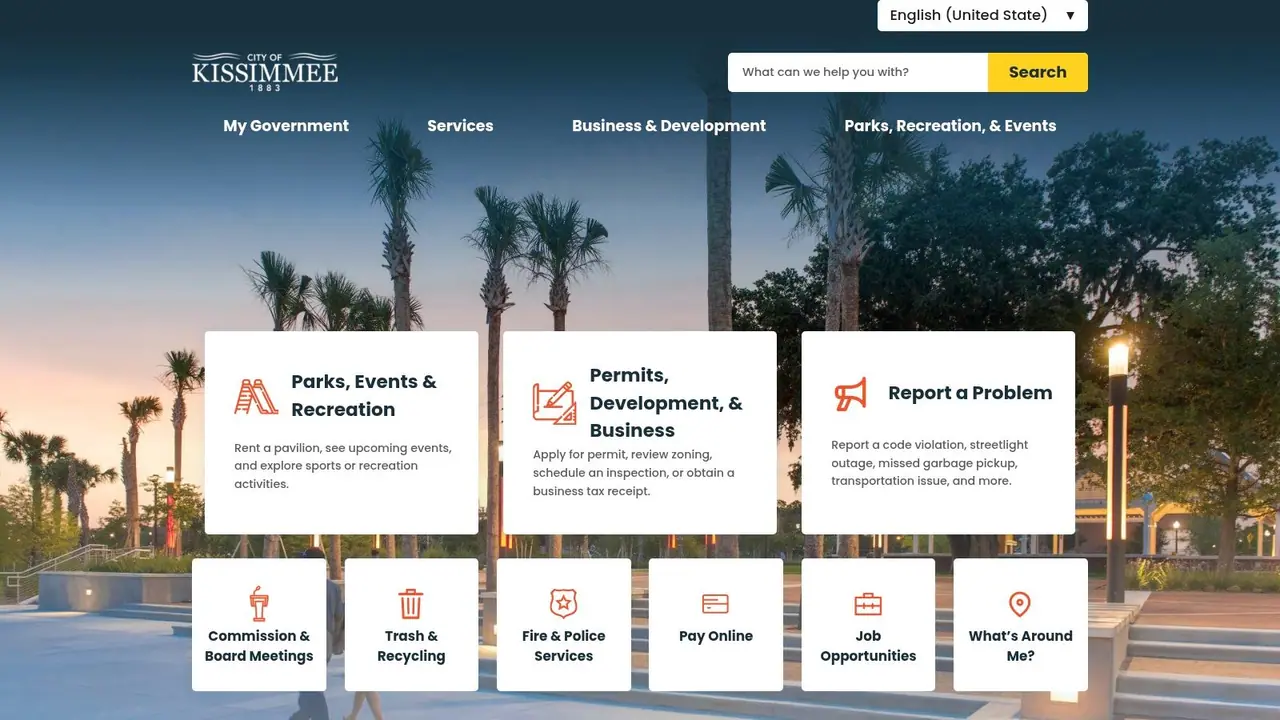
That is why Kissimmee belongs on a serious STR list. The city offers a rare mix of purpose-built rental frameworks, family-demand fundamentals, and inventory that often fits investor budgets better than neighboring resort submarkets. You can confirm the local framework directly through the City of Kissimmee, which is the right first stop before you assume any property is eligible.
2. Scottsdale, Arizona
Scottsdale is the kind of market investors think they want, and in this case the policy structure supports that interest. STRs are broadly legal under Arizona's framework, and Scottsdale adds a mature local licensing system that makes the market feel more professional than ad hoc. That matters because regulatory ambiguity is one of the biggest hidden costs in short-term rental ownership.
Premium demand with a formal license framework
The city requires a vacation or short-term rental license, and it also expects operators to carry $500,000 in liability insurance, which can be satisfied through an OTA in some cases, according to the city's published guidance on Scottsdale's official site. That kind of specific rule set is useful for serious operators because it reduces the odds of a mid-hold surprise. It also signals that the market is built for hosts who can run a property like a business, not a hobby.
Scottsdale's demand profile is attractive because it blends golf, events, spring training, and conferences. Those are the kinds of use cases that support premium nightly rates, but they also create expectations around service quality, parking, and quiet hours. The ScanStay vacation rental property management guide is relevant here because professional guest communication is part of staying compliant in a market that watches nuisance issues closely.
Scottsdale is not a “set it and forget it” market. It rewards disciplined operators who treat compliance, messaging, and guest screening as part of the investment model.
The tradeoff is entry cost. Scottsdale is not cheap, so the underwriting has to work on premium demand and disciplined operations rather than on bargain acquisition. If you can buy right and manage well, it remains one of the strongest regulated STR cities for investors who want a premium address with a clear operating framework.
3. Gatlinburg, Tennessee
Gatlinburg is one of the clearest examples of a destination where the product and the regulation line up. The city has long relied on tourism tied to Great Smoky Mountains National Park, so drive-to demand is baked in rather than speculative. That gives cabin investors a real base of guests, not just a seasonal spike.
Cabin demand and permit structure
The city uses a Tourist Residency Permit pathway where zoning allows overnight rentals, while county locations can fall under a separate STR permit and inspection program. That split matters because the right asset depends on the exact location, not just the mailing address. Investors who ignore that distinction can overpay for a cabin that can't be used the way they planned.
Gatlinburg's appeal is the combination of lodging type and guest behavior. Two-bedroom and larger cabins, especially those with hot tubs and views, tend to fit the market's family and group travel patterns. That's also why it can be useful to structure ownership cleanly from the start, and the LLC for Airbnb guide is a sensible reference point for investors who want liability separation and simpler entity-based operations.
The market's reported ADR average of about $347 and its Market Score of about 82/100 reflect strong operating conditions, based on the figures provided in the brief. Those numbers matter less as a bragging point and more as a sign that the market supports premium cabins when the operator chooses the right submarket and manages the asset professionally.
Gatlinburg is not low-friction. Weather, wildfire exposure, and annual compliance steps all demand attention. Still, for investors who want a mountain STR with established demand and a permitting path they can follow, it remains one of the most practical destinations on the list.
4. Panama City Beach, Florida
Panama City Beach works because it combines beach demand with an identifiable compliance process. Some coastal markets invite overconfidence, but this one is more structured than many investors expect. That structure matters because an orderly regulatory environment is often a better long-term signal than a market that merely looks hot on a listing site.
Beach inventory with a public compliance process
The city runs an STR registration portal with periodic inspections and certificate requirements, which gives investors a clearer operating roadmap. That makes onboarding more predictable, especially for buyers who are comparing condos, townhomes, and houses across different parts of the market. It also helps avoid the common mistake of assuming every beach block is equally eligible.
The market's local home-value context in the brief shows a Zillow Home Value Index around $416K and a median sale price near $408K in late spring or early summer 2026. Those figures point to a market that is still accessible enough for many investors, while remaining established enough to support real vacation demand. For underwriting, that middle ground matters more than chasing the cheapest possible entry point.
Operator note: In Panama City Beach, insurance and HOA review are not side tasks. They are part of the deal analysis, especially in buildings where reserves and maintenance standards affect your future expense load.
Seasonality remains real, and hurricane exposure is part of the business model. That means the best operators use minimum-stay rules, shoulder-season pricing, and stricter calendar controls instead of assuming peak summer will carry the year. The ScanStay article on Airbnb profitability is useful for hosts who want to think beyond gross revenue and into net operating reality.
Panama City Beach belongs on this list because the city keeps the market open without making compliance vague. For serious STR investors, that balance is often more valuable than raw hype.
5. Gulf Shores, Alabama
Gulf Shores is one of the cleanest examples of a beach market where entry is still relatively approachable and the city has made the licensing path understandable. That combination matters because investors do better when the rules are published, not interpreted after the fact. It also helps when the market's guest base is stable and family-oriented rather than purely speculative.
Simple licensing in a beach market
The city uses an online rental business licensing program, and the brief notes that the current STR license fee is $45. That kind of visible onboarding cost is useful because it signals a process investors can budget for without guessing. Gulf Shores also has updated zoning and rental safety ordinances with published inspection requirements, which gives operators a clearer expectation of what the city wants.
The market's recent home-value context in the brief, with average home value near $457K and median sales in the low-to-mid $400Ks, shows a market that still has a practical entry range for investors who want Gulf Coast exposure. It isn't cheap, but it is not positioned like the most expensive coastal resort markets either. That middle zone often produces better risk-adjusted decisions when regulation and demand are both visible.
Gulf Shores performs well because beaches and drive-to family demand tend to hold up when operators manage pricing and length of stay well. It's a market where the calendar matters, and so does the building. Beachfront HOA costs, insurance, and reserve quality can compress margins quickly if you ignore them.
The best way to approach Gulf Shores is with an operating mindset, not a postcard mindset. Investors who do that are more likely to get durable returns from a market that is both understandable and still relatively accessible.
6. Branson, Missouri
Branson stands out because the city tells investors where they can and can't operate. That sounds simple, but it's rare enough to matter. Many buyers want STR exposure, yet few want to spend months decoding neighborhood-specific restrictions after they've already gone under contract.
Clear permitted zones for nightly rentals
Branson publishes an STR application and permitting workflow, and it explicitly identifies where nightly rentals are permitted versus prohibited. That clarity helps investors target the right parcels before they spend money on inspections, repairs, or financing. It also reduces the chance of buying into a neighborhood that looks good on paper but won't support your business plan.
The guest base is also broader than many people assume. Families, retirees, convention visitors, and lake recreation travelers all feed the market, which gives the city a more diversified demand mix than a single-season destination. That diversity matters because it can support steadier occupancy patterns when one segment slows.
Bottom line: In Branson, the compliance check comes before the renovation budget. If the zoning doesn't support nightly rentals, no amount of design work fixes the deal.
The product range is another advantage. Condos, cabins, and resort communities allow investors to choose between simpler upkeep and higher-experience inventory. Some properties will still need fire and safety upgrades before they can operate, but the city's transparency makes that easier to identify early.
Branson earns its place among the best investment property cities because it turns the legal question into something investors can verify before closing. That alone can save a deal from becoming an expensive mistake.
7. Hochatown, Oklahoma
Hochatown, near Broken Bow, is a good example of a market where growth has created the need for structure. The town now manages STR licensing through a Granicus platform, and it also runs a lodging tax system that investors need to account for in underwriting. In markets like this, rules are part of the opportunity, not a nuisance.
Town-managed rules in a cabin destination
The town's lodging tax is 4%, according to the brief, and that has to be built into your revenue model from day one. Investors who forget that step tend to overestimate net yield. The good news is that the town's published forms and guidance make the process easier to track than in many fast-growing rural markets.
Hochatown's appeal comes from its cabin product and its drive-to demand from regional metros. It is a place where hot tubs, game rooms, and other experience-driven amenities can command a stronger nightly rate than a basic stay. That means the physical asset matters a great deal, not just the zip code.
The challenge is operational. Rural utilities, maintenance logistics, and evolving local administration can add friction that coastal investors sometimes underestimate. You need backups, local contacts, and a realistic reserve budget. Without that, even a high-demand cabin can become an operational headache.
Hochatown belongs on this list because it combines structure with access. That is a rare mix in a fast-growing cabin market, and it gives disciplined investors a way to participate without relying on pure speculation.
Top 7 Investment Property Cities Comparison
| Location | 🔄 Regulatory / Implementation Complexity | ⚡ Resource Requirements | 📊 Expected Outcomes | 💡 Ideal Use Cases | ⭐ Key Advantages |
|---|---|---|---|---|---|
| Kissimmee (Osceola County), FL | Moderate, purpose‑built SRPUD/STRO zoning simplifies compliance, but parcel‑level zoning & HOAs require case‑by‑case review | Moderate, entry prices in low‑to‑mid $300Ks, due diligence on zoning/HOAs, standard property management | Stable year‑round park demand, consistent occupancy with family bookings | Family homes & townhomes serving Disney/Universal visitors | ⭐ Regulatory clarity vs many metros; lower entry price than nearby resort submarkets |
| Scottsdale, AZ | High, formal vacation/STR license, nuisance rules, $500K liability requirement and active enforcement | High, premium home prices (ZHVI ≈ $858K), high insurance and professional ops expected | High ADRs and premium segment returns if strictly compliant | Luxury homes, pools, golf/event and conference markets | ⭐ Strong ADR potential; professionalized market with mature compliance framework |
| Gatlinburg (Sevier County), TN | Moderate, city Tourist Residency Permit or county STR unit permit plus annual inspections depending on location | Moderate, cabin maintenance, insurance (wildfire/weather), inspection costs | Strong ADRs with broad seasonal calendar; high AirDNA Market Score (~82) | Cabins and large group rentals near Great Smoky Mountains | ⭐ High ADRs and multiple submarkets offering budget/compliance flexibility |
| Panama City Beach, FL | Moderate, city STR registration and periodic inspections; compliance enforced | Moderate, varied inventory allows multiple entry points; hurricane wind/flood insurance may be costly | Year‑round beach demand with seasonal peaks; variable ADR by product type | Beach condos to houses for family travel and event weekends | ⭐ Clear compliance infrastructure and diverse inventory for varied budgets |
| Gulf Shores, AL | Low–Moderate, online rental business license and updated safety/zoning ordinances with published inspections | Moderate, low license fee (~$45) but beachfront insurance/HOA costs can compress margins | Strong summer peaks with drive‑to family demand; seasonal revenue concentration | Drive‑to family beach rentals and summer vacation properties | ⭐ Affordable entry and straightforward licensing with clear guidance |
| Branson, MO | Moderate, published STR application/process and clear maps of permitted vs prohibited areas; requires pre‑offer diligence | Moderate, possible upgrade costs to meet fire/safety standards; standard operating costs | Diverse guest base (theaters, lakes, families), steady demand across seasons | Cabins, condos and resort community rentals for families/retirees | ⭐ High regulatory transparency and diverse product mix across price tiers |
| Hochatown (Broken Bow), OK | Moderate–High, town‑managed STR program is new/ evolving; licensing via Granicus and a local lodging tax (4%) | Moderate, active resale market; rural utilities and maintenance logistics can raise OPEX | Premium cabin ADRs driven by amenity‑led demand and regional weekenders | Purpose‑built cabins with hot tubs/game rooms for regional drive markets | ⭐ Strong demand for cabin experiences and structured local program with lodging tax clarity |
Invest Smarter by Focusing on Fundamentals
The strongest investment property cities for STRs usually share the same operating profile. They combine durable tourism demand, entry prices that still allow disciplined underwriting, and a regulatory framework investors can practically follow. That last point often separates a property that looks strong on paper from one that stays compliant after closing.
Kissimmee, Scottsdale, Gatlinburg, Panama City Beach, Gulf Shores, Branson, and Hochatown each serve a different investor objective. Some markets offer clearer zoning rules, some support higher nightly rates, and some give buyers a more manageable entry point with defined operating requirements. The common thread is practical. Each market gives serious operators a clearer path to long-term stability because the rules are established enough to underwrite with less guesswork.
Surface-level “hot market” lists miss that distinction. A city can draw attention and still be a poor STR fit if nightly rentals are hard to permit or if compliance standards change without much warning. Strong underwriting starts with the rules, then tests demand, then checks whether the asset type matches the guest profile. That sequence matters more than headline appeal.
Professional guest experience matters in regulated STR markets too. Tools like a ScanStay digital welcome book help hosts replace cluttered binders and repetitive messages with one QR code, which can make check-in smoother and reduce avoidable support questions. That kind of operational polish will not fix a weak acquisition, but it can improve the performance of a sound one.
Destin is another useful reference point for investors who want a market with clear short-term rental expectations, and Destin short-term rental properties are worth reviewing for that reason. The value is not just in demand. It is in how well the market supports a disciplined operating model.
If you are comparing STR cities for your next purchase, start with the market that fits your operating style, not the one with the flashiest headline. Then verify the zoning, the licensing path, the taxes, and the property's guest fit before you make an offer. A disciplined approach is what turns a good city into a profitable property.