Discover the best place to own an airbnb in 2026
Find the best place to own an airbnb in 2026. Explore top locations for high ROI, rental income, and growth potential. Start your profitable Airbnb journey now!

Maui, Hawaii has the highest earning potential among leading U.S. Airbnb markets in 2025, with a $635 average daily rate and $66,600 annual revenue potential, even at a 65% occupancy rate, according to Hostaway's review of U.S. Airbnb markets to invest in. That kind of spread is a useful reminder that the best place to own an airbnb isn't always the market with the fullest calendar. Sometimes it's the market that combines strong nightly rates, dependable demand, and a guest profile you can serve well.
Too many “best Airbnb market” lists stop at revenue potential. Hosts can't. A market can look fantastic on paper and still turn into a management headache if regulations shift, guest turnover is brutal, or onboarding guests eats your evenings. The markets below are assessed through a host-relevant lens: demand, ROI potential, regulatory friction, guest complexity, and operational fit.
That matters whether you're buying your first unit or adding to a portfolio. A beach town with heavy seasonal demand calls for fast check-ins and airtight cleaning coordination. A corporate-heavy city needs polished digital guides, longer-stay workflows, and sharper guest segmentation. If you want the best place to own an airbnb in 2026, you need a market that matches both your capital and your operating style.
Table of Contents
- 1. Miami, Florida – High-Turnover Urban Beach Market
- 2. Barcelona, Spain – European Seasonal Peak Market
- 3. Austin, Texas – Growth Market with Tech-Savvy Demographics
- 4. Lisbon, Portugal – Emerging European Market with Regulatory Tailwinds
- 5. Scottsdale, Arizona – Affluent Retiree & Wellness Market
- 6. Denver, Colorado – Young Professional & Outdoor-Focused Market
- 7. Vancouver, Canada – International Luxury & Corporate Housing Market
- 8. New Orleans, Louisiana – Cultural Tourism & Event-Driven Market
- Top 8 Airbnb Markets Comparison
- From Insight to Investment Your Action Plan
1. Miami, Florida – High-Turnover Urban Beach Market
Miami works when you treat it like an operations business, not a passive rental. Guest turnover is fast, the reasons for travel vary, and expectations are high. You might host a leisure couple on Friday, a remote worker on Monday, and an international family by midweek.
That mix is why Miami stays on serious investors' shortlists for the best place to own an airbnb. The demand profile is broad, and the city gives hosts room to position units differently by neighborhood. South Beach can lean lifestyle and nightlife. Brickell can lean business and extended stays. Wynwood can lean design, events, and local culture.
Demand and host workload
Miami guests usually need quick answers before arrival and even faster answers once they're in the unit. That's where weak systems show up fast. If your check-in instructions live in scattered messages, your cleaners text for every turnover question, and your local recommendations aren't organized, support load compounds.
Practical rule: In a high-turnover market, every repeated guest question should become a permanent asset in your digital welcome flow.
ScanStay fits Miami well because it gives guests a single QR-based hub for Wi-Fi, access instructions, house rules, and local recommendations. For multilingual and international arrivals, the built-in language support matters. Hosts can also tailor content by unit type, so a Brickell business apartment can show parking, building access, and work-friendly coffee spots, while a South Beach listing can lead with beach logistics, dining, and late checkout upsells.
What works in Miami
A few approaches tend to outperform generic hosting:
- Segment by trip purpose: Business travelers want speed, building access clarity, and reliable check-in. Leisure guests want neighborhood guidance and easy add-ons.
- Package premium extras: Airport transfers, restaurant reservations, and late checkout are a better fit here than generic discounting.
- Standardize guest messaging: Fast markets punish custom typing. Build message templates, then push detail into a digital welcome book.
- Use neighborhood-specific positioning: A luxury high-rise and an art-district loft shouldn't sound like the same listing.
What doesn't work is trying to “personally handle everything” once you scale past a small number of units. Miami rewards hosts who build systems early.
2. Barcelona, Spain – European Seasonal Peak Market
Barcelona attracts guests for obvious reasons. It's visually distinctive, easy to sell in a listing, and strong during peak travel periods. It also forces hosts to think harder about compliance and positioning than many easy-entry markets do.
That tension is exactly why Barcelona deserves a place on this list. For the right operator, it can still be the best place to own an airbnb if you're comfortable balancing guest experience with tighter operating discipline. Hosts who rely on loose processes struggle here. Hosts who run clean documentation, multilingual communication, and sharper stay-length strategy are in much better shape.
Why Barcelona still attracts operators
The city gives you multiple positioning lanes. A family-focused Eixample apartment can lean space and transit convenience. A Gothic Quarter stay can lean heritage and walkability. A corporate apartment can hedge tourism swings with longer bookings from relocating professionals.
The practical upside is portfolio flexibility. If one demand segment gets softer, you're not boxed into one traveler type.
Barcelona isn't forgiving to hosts who “figure it out later.” It rewards operators who set up their compliance and guest communication before the first booking arrives.
How to operate without friction
Barcelona is a market where ScanStay solves a real operational problem. Multilingual support isn't a nice extra here. It's part of delivering a frictionless stay. A QR-based guide also helps reduce repetitive questions about building access, quiet hours, public transport, and local rules, all of which matter more in dense urban buildings.
Use the platform to structure content around what guests need on arrival:
- Arrival logistics: Metro routes, airport transfer details, and building entry instructions.
- Neighborhood behavior: Noise rules, recycling guidance, and check-out expectations.
- Local curation: Restaurant suggestions, walking routes, and museum or market recommendations.
- Stay-length strategy: Separate versions for short city-break guests and longer corporate guests.
What doesn't work in Barcelona is generic “tourist tips” with no local relevance. Guests remember useful precision. Which entrance to use. Which market is walkable. Which restaurant needs a reservation. That level of specificity supports reviews and reduces avoidable messaging.
3. Austin, Texas – Growth Market with Tech-Savvy Demographics
Austin sits in a useful middle ground for Airbnb investors. It has leisure demand, event-driven pricing windows, and a guest base that is comfortable with digital check-in, QR guides, and self-serve communication. Under a host-relevant criteria framework, that gives Austin strong marks for demand diversity and operational fit, with one clear trade-off. Turnover can get intense fast.
That matters because Austin is rarely a passive-host market. The upside comes from how well you handle compression periods around festivals, university activity, corporate travel, and weekend leisure demand. In practice, hosts who run tight systems usually perform better here than hosts who rely on ad hoc guest messaging and static listing copy.
Why Austin scores well in the framework
On the demand side, Austin benefits from multiple booking segments instead of one dominant traveler profile. A downtown condo may attract conference attendees during the week, couples on weekend trips, and relocation guests between leases. A house in a residential pocket may pull family visitors, event travelers, and longer stays tied to job moves or home renovations.
That mix gives hosts more room to protect occupancy. It also changes how the property should be operated. The best Austin listings do not present the same stay to every guest type. They adjust instructions, recommendations, and upsell offers based on the booking pattern.
Austin rewards hosts who systemize operations
Austin guests usually prefer clear digital guidance over back-and-forth messaging. They want parking details that match the building. They want Wi-Fi info, check-in steps, and neighborhood recommendations that fit the reason for the trip. If that information is buried in message threads, support volume rises and arrival friction follows.
ScanStay fits this market well because it solves a specific operational problem. Hosts can build event-specific guest guides, duplicate them across listings, and update the content as demand shifts. During a music-heavy booking window, the guide can prioritize venue access, rideshare pickup points, and quiet-hour reminders. During business-heavy periods, it can highlight workspace setup, coffee spots, gym access, and laundry options. If you run a higher-end unit, the same system can also present add-ons like early check-in, stocked groceries, or private driver arrangements without creating extra manual work.
Where ROI gets won or lost
Austin is appealing on paper, but returns usually improve through execution rather than market selection alone.
Hosts tend to slip in three areas:
- Event positioning: They leave listing copy, house rules, and welcome materials unchanged during major citywide demand spikes.
- Guest guidance: They send broad restaurant lists and generic neighborhood tips instead of concise recommendations by trip type and distance.
- Communication load: They keep answering the same parking, access, and Wi-Fi questions manually.
I see the same pattern often. Bookings increase first. Then message volume increases. Then response quality drops unless the host already has a structured guest communication system in place.
Short-term rental scale rarely breaks because demand disappears. It breaks because operations stay manual while turnover rises.
Austin belongs on the shortlist for investors who want a market with strong demand variety and a guest base that responds well to digital hosting. It is less forgiving for owners who want to set one process and ignore it for a year. The market rewards active operators who keep pricing, guest communication, and stay design aligned with who is currently booking.
4. Lisbon, Portugal – Emerging European Market with Regulatory Tailwinds
International demand remains one of Lisbon's biggest advantages. The city attracts leisure travelers, remote workers, and short-stay European visitors in the same market, which gives hosts more than one demand lane to work with.
That mix matters under a host-relevant criteria framework. Demand is only one piece. Lisbon also stands out because the operating model can still favor prepared hosts, especially in areas where clear rules, neighborhood fit, and guest communication decide whether a listing performs consistently or turns into a management headache.

Why Lisbon makes the shortlist
Lisbon is not a passive-income market. It rewards hosts who treat regulation, positioning, and guest operations as part of the investment thesis from the start.
The upside is straightforward. Guests already understand Lisbon as a destination, nightly rates can support a well-designed unit, and distinct neighborhoods give operators room to target specific traveler types. The trade-off is just as real. Rules can shift, licensing matters, and poor neighborhood positioning shows up fast in reviews.
That is why Lisbon earns a place on this list. It scores well across the criteria that affect host performance:
- Demand: International tourism, city breaks, and longer European stays support year-round booking interest.
- ROI potential: Stronger results usually come from buying the right unit and running it well, not from assuming every neighborhood will perform the same.
- Regulatory outlook: Compared with some mature European markets, Lisbon can offer better entry conditions for hosts who do proper legal checks before purchase.
- Operational fit: Multilingual communication and local recommendations have a direct effect on conversion, reviews, and repeat referrals.
Where hosts gain an edge
Lisbon guests often book by neighborhood first and property second. A flat in Alfama appeals to a different traveler than one in Belém or Príncipe Real. Hosts who write generic city-center copy usually miss that distinction.
I would treat listing setup here as part marketing, part screening. Show the guest what kind of stay the area supports. Quiet residential feel, walkable food scene, historic streets, late-night noise risk, transit convenience. That level of specificity improves booking quality because guests arrive with the right expectations.
Operations matter just as much. Lisbon brings a high share of international guests, so message clarity has real financial value. If check-in steps, parking details, building access, or appliance instructions create confusion, support time rises and reviews soften.
A strong Lisbon setup usually includes:
- Multilingual guest materials: Arrival steps and house rules should be easy to understand for guests coming from different language backgrounds.
- Neighborhood-specific positioning: Explain the experience of the immediate area instead of selling “Lisbon” in broad terms.
- Experience add-ons that fit the city: Fado reservations, tile workshops, private transfers, and curated food recommendations can raise guest spend.
- Standardized host systems: Reusable guides, check-in flows, and upsell prompts make it easier to keep quality steady across multiple units.
ScanStay fits Lisbon well because it solves two common friction points in this market. It helps hosts present multilingual guest guidance in a cleaner format, and it gives them a practical way to offer local experiences or premium services without turning every booking into a long message thread.
The real trade-off
Lisbon works best for investors who are willing to verify local rules before buying and then run the property with discipline after launch. The market gives you demand. It does not forgive vague positioning, weak communication, or a casual approach to compliance.
For hosts who want an international city with room to differentiate, Lisbon remains one of the stronger European options on this list. The opportunity is real, but the returns usually come from matching the right unit, in the right neighborhood, with an operating system built for global guests.
5. Scottsdale, Arizona – Affluent Retiree & Wellness Market
Scottsdale isn't a volume-first play. It's a service play. Guests often arrive with higher expectations, longer pre-arrival planning, and a stronger willingness to pay for convenience if the offer feels polished.
That makes it a strong contender for hosts who don't want the constant churn of a rapid-turnover urban market. If your style leans toward premium communication, guest comfort, and curated add-ons, Scottsdale can be the best place to own an airbnb for your operating model.
A service-led market, not a volume play
The mistake hosts make in Scottsdale is assuming a nice property is enough. It isn't. A premium guest expects more than attractive photos. They want clear arrival details, easy scheduling, strong local guidance, and confidence that the host has anticipated needs before they ask.
That's why digital presentation matters here just as much as interior design. A thoughtful welcome flow can present spa recommendations, golf logistics, dining suggestions, and house instructions in a format that feels concierge-like instead of transactional.
Guests paying for a premium stay don't want more messages. They want fewer questions because the important details are already organized.
Operational moves that fit Scottsdale
This is one of the best markets for monetizing extras without making the experience feel pushy. If a guest booked Scottsdale for relaxation or a seasonal escape, the right upsells feel helpful.
Use a digital welcome platform to structure premium touchpoints:
- For golfers: Course guidance, tee-time coordination notes, and equipment logistics.
- For wellness travelers: Spa suggestions, yoga studios, healthy dining, and quiet-property expectations.
- For longer seasonal stays: Local services, grocery guidance, and mid-stay cleaning options.
- For luxury family groups: House rules, parking layout, and concierge-style local recommendations.
What doesn't work is overloading the guest with lifestyle branding and underdelivering on useful detail. In Scottsdale, polished practicality wins.
6. Denver, Colorado – Young Professional & Outdoor-Focused Market
Denver is a hybrid market. That's what makes it interesting. You're not serving one obvious guest persona. You're often serving professionals, weekend city travelers, and outdoor-focused visitors who need different things from the same property.
That variety can be an advantage if you know how to package the stay. It can also create friction if your listing and onboarding are too broad. Denver hosts do better when they define the guest journey by trip purpose instead of trying to be universally appealing.

Why Denver rewards clarity
Outdoor destinations create a lot of practical questions. Guests want to know where to store gear, how far they are from trail access, whether parking is simple, and what to do if they're arriving late before an early start. Corporate guests care about entirely different things.
This is exactly the sort of market where a QR-based guide improves the stay. ScanStay lets hosts organize recommendations by need, not just by category. That means guests can quickly find late-night food, transit notes, ski-day prep information, or nearby essentials without texting you at odd hours.
Best practices for active-travel guests
Denver works best when your property answers “how do I use this place as a base?” Here's what that looks like in practice:
- Build seasonal content: Ski guidance during winter, hiking and biking recommendations in warmer months.
- Sort recommendations by distance: Guests value what's close and easy more than what's famous.
- Separate business and leisure messaging: One guide flow won't serve both equally well.
- Highlight convenience transparently: If the property is better for downtown access than mountain day trips, say so.
A lot of hosts oversell the adventure angle and underspecify the logistics. That creates disappointment. The better move is accuracy plus convenience. Denver guests reward that with smoother stays and fewer support interruptions.
7. Vancouver, Canada – International Luxury & Corporate Housing Market
Vancouver suits hosts who want a polished, internationally legible product. It supports premium positioning, but only if the guest experience feels organized from the first message onward. This isn't a market for improvised hospitality.
Luxury and corporate guests often overlap in one important way. They value smoothness. They don't want to chase access details, ask where to park, or dig through messages for appliance instructions. A clean, professional stay experience can do as much for retention here as the unit itself.
A polished market for polished operators
Vancouver's mix of international visitors and longer-stay corporate demand gives hosts room to diversify without changing markets. A furnished apartment can work for business travel, relocation, or high-end leisure if the guest materials are structured properly.
That's where ScanStay becomes more than a convenience layer. It acts like a front-desk substitute. Hosts can present access instructions, house rules, transit details, local dining, and optional services in one place without forcing app downloads or manual message threads.
How to win repeat and referral bookings
In markets like Vancouver, repeat and referral value often come from consistency more than charm. Guests remember whether the stay felt effortless.
A few tactics fit especially well here:
- Offer relocation-friendly information: Neighborhood notes, transit guidance, and practical settling-in tips help longer stays.
- Create premium service pathways: Housekeeping, grocery set-up, or airport transport can be presented cleanly as optional upgrades.
- Support multilingual communication: International guests notice when instructions are easy to understand.
- Standardize across units: A professional portfolio should feel coherent even when the properties differ.
What doesn't work is treating a premium market like a casual side hustle. If the listing is luxury but the communication feels improvised, guests notice immediately.
8. New Orleans, Louisiana – Cultural Tourism & Event-Driven Market
New Orleans stands out because event demand can reshape a host's calendar in a matter of weeks. ADR often does the heavy lifting here. Occupancy may not lead this list, but pricing power around festivals, game weekends, weddings, and food tourism keeps the market attractive for operators who know how to manage peaks without losing control of the guest experience.
Under a host-relevant framework, New Orleans scores well on demand diversity and rate upside. It scores lower on operational simplicity. Guest intent changes constantly by season and by event, and that affects everything from check-in timing to noise expectations to the kind of local recommendations guests use.
A Mardi Gras group needs different communication than a couple in town for Jazz Fest or a family booking a long weekend in the Garden District. Hosts who run one generic message flow across all three usually create extra questions, missed upsell opportunities, and weaker reviews.
ScanStay fits that operating reality well. Hosts can build digital welcome books around stay type, event period, and neighborhood so guests get the right details before they ask. That includes arrival instructions, house rules, quiet hours, parking guidance, local etiquette, and optional add-ons such as stocked fridges, airport transfers, or private chef referrals for higher-end stays.
Here's a look at the kind of city experience guests are buying into:
Where hosts win in New Orleans
The strongest operators in this market host the trip, not just the unit. That requires local specificity and tighter controls than many first-time investors expect.
A practical playbook looks like this:
- Adjust guest materials around the event calendar: Arrival windows, transport advice, and neighborhood expectations should change during major festivals and high-traffic weekends.
- Set clearer rules for group stays: Noise, occupancy, and late-night return guidance matter more here than in many business-travel markets.
- Write neighborhood notes with real context: Guests want to know how to get around, where to park, and which streets feel busy after dark.
- Use curated recommendations, not generic lists: Music venues, restaurants, and cultural stops should match the traveler type and location of the unit.
- Support diverse guest profiles: Domestic leisure travelers, international visitors, and special-event guests all benefit from easy-to-read, mobile-friendly instructions. Multilingual delivery helps reduce confusion.
The trade-off is straightforward. New Orleans can produce strong revenue periods, but it asks for more active operating judgment than steadier markets. Owners who treat it like a static vacation rental often struggle. Owners who match communication, pricing, and guest guidance to the city's event rhythm usually perform much better.
Top 8 Airbnb Markets Comparison
| Market (Positioning) | 🔄 Implementation complexity (Regulatory & Ops) | ⚡ Resource requirements (Staffing, Tech, Capital) | 📊 Expected outcomes (Revenue / Occupancy) | Ideal use cases | ⭐ Key advantages / 💡 Tip |
|---|---|---|---|---|---|
| Miami, Florida, High-turnover urban beach market | High, intense guest turnover, strict licensing, hurricane risk | High, 24/7 support, multilingual automation, higher insurance | High yield: $150–400+/night, occupancy 70–85%, strong revenue potential | Short-stay leisure & business, portfolio scale (5+ units), luxury upsells | ⭐ High revenue & year‑round demand. 💡 Automate multilingual check‑in and AI comms |
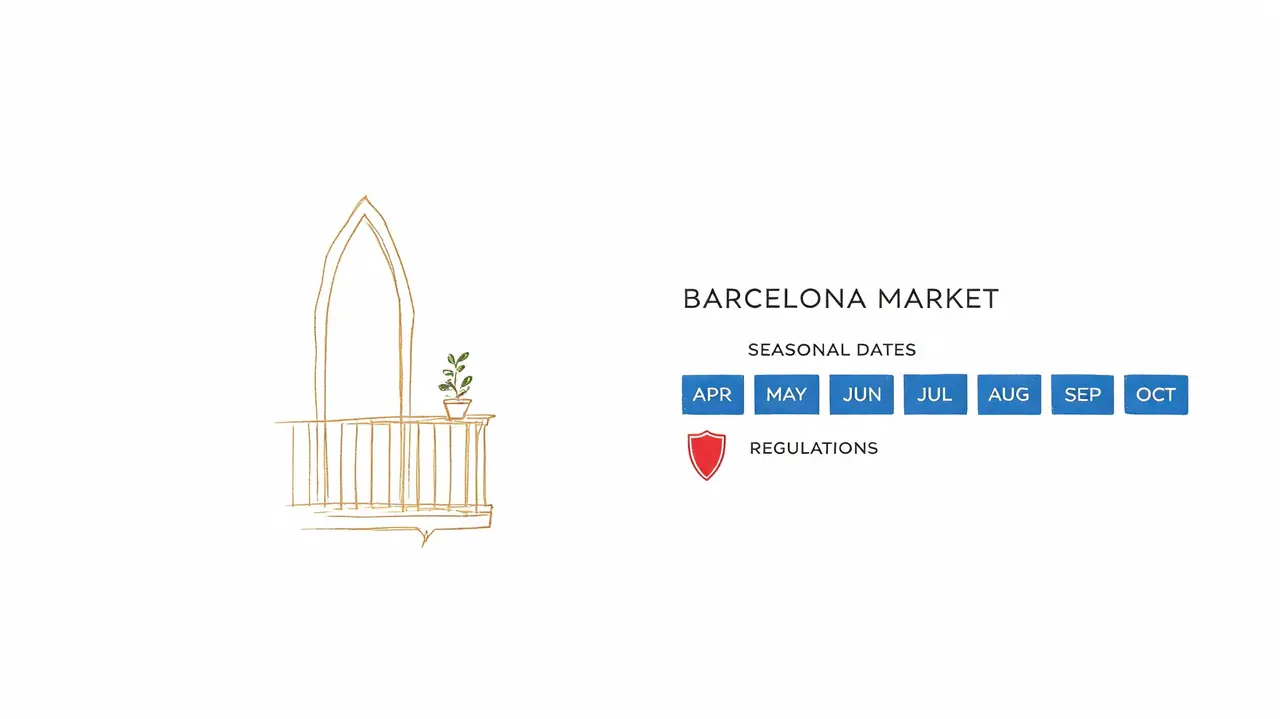
| Barcelona, Spain, European seasonal peak market | High, strict EU regs, registration, guest reporting, license caps | High, compliance systems, multilingual support, tax automation | Strong seasonal rates €80–200+, stable peaks Apr–Oct but license risk | Boutique apartments, tourist short-stays, corporate long-stays as hedge | ⭐ Premium pricing & corporate demand. 💡 Automate tax reporting and localized guides |
| Austin, Texas, Growth market with tech‑savvy guests | Medium, growing regulation, event-driven peaks to manage | Medium, event marketing, digital onboarding, moderate capex | Good growth: $90–200/night, festival-driven spikes, rising demand | Tech professionals, festival visitors, corporate relocations | ⭐ Rapid growth & tech-friendly guests. 💡 Build event-specific content and frictionless digital onboarding |
| Lisbon, Portugal, Emerging European market | Medium, favorable regs but fast maturation and rising competition | Medium‑low, lower purchase costs, multilingual content, early management tools | High occupancy 75–85%, €60–150/night, yields 8–12% possible | Entry-point portfolios, European city-breaks, niche neighborhood positioning | ⭐ Low entry cost & strong yields. 💡 Position as an "undiscovered" gem and offer multilingual content |
| Scottsdale, Arizona, Affluent retiree & wellness market | Medium, strong seasonality, concierge-level expectations | High, premium amenities, concierge partnerships, high capex | Premium rates $150–350+ (seasonal $500+), strong repeat bookings, $50–80k/yr possible | Affluent retirees, wellness tourists, multi-week winter stays | ⭐ High per-booking revenue & loyalty. 💡 Deliver concierge upsells and detailed premium welcome materials |
| Denver, Colorado, Young professional & outdoor market | Medium, weather disruptions, emerging regs, logistics needs | Medium, gear storage/amenities, digital guides, parking solutions | Consistent year‑round demand, $90–180/night, occupancy ~70%+ | Outdoor tourists, young professionals, corporate weekday bookings | ⭐ Stable demand & diverse segments. 💡 Provide activity-centric guides and outdoor gear upsells |
| Vancouver, Canada, International luxury & corporate housing | High, very high entry cost, foreign-buyer taxes, licensing limits | Very high, capital intensive, premium service staff, multilingual comms | Premium pricing $120–400+/night, strong corporate monthly revenue, high repeat rate | Luxury international travelers, corporate relocations, long‑stay corporate housing | ⭐ Luxury pricing & corporate stability. 💡 Develop multilingual luxury comms and standardized corporate programs |
| New Orleans, Louisiana, Cultural tourism & event market | High, extreme event concentration, flood/hurricane risk, maintenance | Medium, dynamic pricing tools, event staffing, specialized insurance | Event-driven spikes with 150–250% rate increases; baseline $80–200+; revenue concentrated | Festival attendees, cultural/experiential travelers, group bookings | ⭐ Strong brand identity & festival premiums. 💡 Automate event pricing and curate cultural experiences |
From Insight to Investment Your Action Plan
Airbnb revenue can look strong on a spreadsheet and still disappoint in practice if the market asks you to operate in a way that does not fit your budget, risk tolerance, or management style.
That is why the Host-Relevant Criteria Framework matters. Demand gets a market onto the shortlist. ROI determines whether the deal works. Regulations shape how durable that income is. Operational load decides whether the property stays profitable after guest messaging, cleaning coordination, turnover pressure, and service expectations hit real life.
Across the eight cities in this guide, the pattern is clear. Miami rewards speed, pricing discipline, and tight turnover systems. Barcelona rewards hosts who can handle licensing rules and multilingual guest communication. Austin favors efficient, digital-first operations. Lisbon offers a chance to enter a market with momentum, but only for buyers who watch policy closely. Scottsdale and Vancouver justify premium service standards because guests pay for them. Denver and New Orleans perform best when the host experience matches the trip purpose, whether that means outdoor logistics, event timing, or local recommendations that feel informed instead of generic.
The practical lesson is simple. Buy for operational fit, not headline appeal.
Plenty of investors learn this too late. A high-demand beach market can become a constant staffing problem if same-day turns are hard to cover. A luxury market can lose margin fast if guest communication, arrival instructions, and upsells are handled manually. A regulation-sensitive city can look attractive at acquisition and become much less attractive after one policy change. Good market selection starts with revenue potential, but it ends with a realistic view of what it takes to run the property well.
That is also where many hosts leave money on the table. They answer the same check-in questions over and over. They bury house rules in long messages. They miss obvious upsell moments, such as late checkout, transport coordination, wine packages, spa bookings, or local experiences. Those are operating issues, not market issues, and they show up in every city on this list.
ScanStay solves a specific part of that problem. It gives guests one mobile-friendly hub for check-in instructions, Wi-Fi, house rules, local recommendations, and add-on services through a simple QR code. That matters in markets like Barcelona and Vancouver, where multilingual communication improves the stay. It matters in Scottsdale and Miami, where premium guests respond well to clear service options. It matters in Austin and Denver, where self-serve digital guidance reduces repetitive support work and keeps the operation lean.
The best place to own an Airbnb is the place where your acquisition strategy and operating system fit each other.
Pick the market with the right demand profile, regulation risk, and guest mix for your strengths. Then set up the property so guests can get what they need quickly and you can run the asset with fewer manual tasks.
If you want to turn any property into a smoother, more scalable guest experience, ScanStay is one of the easiest upgrades you can make. It gives your guests one QR-powered place for check-in details, Wi-Fi, house rules, local recommendations, and upsells, while cutting the repetitive messages that eat into your day. For solo hosts, portfolio operators, and property managers alike, it's a practical way to run a more professional Airbnb without adding more manual work.