8 Vacation Rental Description Examples to Copy in 2026
Steal these 8 expert-written vacation rental description examples. Get templates for luxury, family, and budget listings to boost bookings on Airbnb & VRBO.
Is your vacation rental description helping the right guest book, or is it reading like a storage closet inventory?
I see the same mistake across Airbnb, Vrbo, and direct-booking sites. Hosts stuff the public listing with every house rule, appliance note, and parking detail, then give the actual selling points one line at the top. Guests skim fast, especially on mobile. If the first few lines do not tell them who the place is for and why it fits their trip, they move on.
Your listing description has a specific job. It should persuade a qualified guest to click, save, and book. Operational details still matter, but they belong in your welcome guide, pre-arrival messages, and house manual. Keeping that split clean improves both conversion and guest experience. The marketing copy sells the stay. The support materials run the stay.
Strong vacation rental description examples do more than sound polished. They match the tone to the property, the property to the guest, and the guest to the booking decision. That is the difference between a generic description and one that pulls its weight.
Instead of giving you a stack of bland sample paragraphs, this guide works like a host's copywriting toolkit. You will see eight listing styles, a before-and-after rewrite for each one, a clear breakdown of the guest and tone each version targets, and a mini-template you can copy, adapt, and use on your own listing today.
Table of Contents
- 1. Luxury Urban Apartment – Professional & Sophisticated Tone
- 2. Cozy Family Home – Warm & Welcoming Tone
- 3. Trendy Urban Loft – Hip & Casual Tone
- 4. Beachfront Vacation Home – Inspirational & Escape-Focused Tone
- 5. Budget-Friendly Shared Accommodation – Friendly & Value-Focused Tone
- 6. Mountain Retreat/Ski Lodge – Adventure & Rugged Tone
- 7. Historic/Boutique Property – Charming & Story-Driven Tone
- 8. Business Travel/Corporate Housing – Professional & Practical Tone
- 8-Style Vacation Rental Description Comparison
- Key Takeaways: Your Blueprint for Better Descriptions
1. Luxury Urban Apartment – Professional & Sophisticated Tone
Luxury listings usually fail in one of two ways. They either sound generic and expensive, or they sound like they're trying too hard. “Stunning apartment in a great location” is dead on arrival if the guest is comparing high-end city stays.
A better luxury description uses exact language. Name the materials, the design details, the view, and the convenience. If the bathroom has marble, say marble. If the building is Art Deco, say Art Deco. If the apartment sits near shopping, dining, or a business district, say that clearly.
Before and after
Before
“Beautiful apartment in the city with amazing views, modern furniture, and everything you need for a comfortable stay.”
After
“Set high above the city, this refined apartment pairs skyline views with polished interiors and hotel-style ease. Guests stay here for the quiet bedroom, elegant bath finishes, fully equipped kitchen, and a location that makes dining, shopping, and evening plans simple.”
The rewrite works because it sounds curated, not padded. It also follows a structure that short-term rental data models treat as core description attributes: property type, location, size, availability, and household amenities, as explained in AltexSoft's overview of vacation rental data fields.
Practical rule: Luxury copy should increase specificity, not adjective count.
Use a real example mindset. A Manhattan studio with a view needs different copy than a Miami Beach Art Deco apartment. One sells elevation and efficiency. The other sells architecture and atmosphere. A San Francisco Victorian conversion should lean into period detail, not just “updated interior.”
Mini-template
Copy this and fill in the blanks:
“Stay in a [property type] designed for guests who want [primary luxury benefit]. Located in [area/neighborhood], the home features [architectural or design detail], [bedroom or layout detail], and [premium amenity]. You're close to [landmark/dining/shopping], while the space itself offers a calm, polished base for [business trips/weekend escapes/city stays].”
A strong luxury listing should stop at the booking trigger. Put the champagne welcome note, restaurant map, building entry video, and house details into your digital guest guide, not into the listing body.
2. Cozy Family Home – Warm & Welcoming Tone
Family copy isn't about sounding cute. It's about reducing friction for the person doing the booking, usually the parent who's mentally packing for everyone.
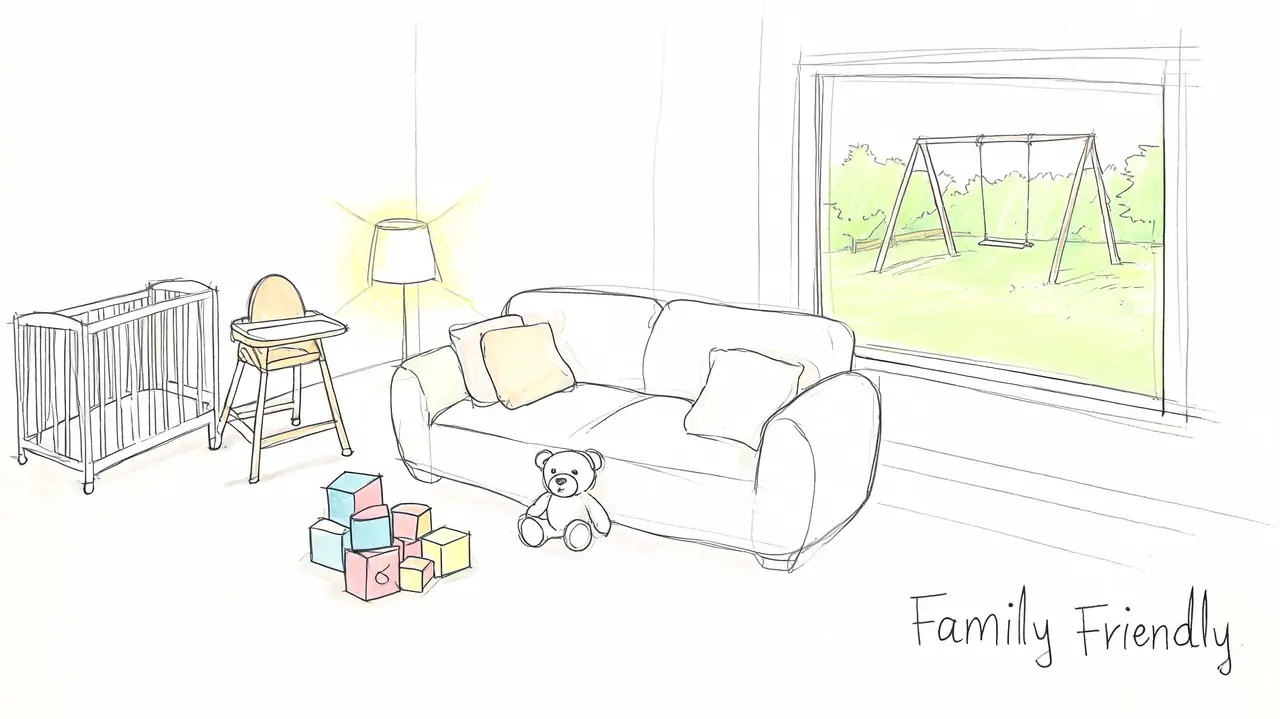
If your listing says “great for families” but doesn't mention the actual setup, it won't convert as well as it should. Parents want bed configuration, yard setup, stair notes, dining space, laundry, and kid gear. “Family-friendly” is a label. “Pack ’n Play, high chair, fenced yard, washer/dryer, bunk room, board games, and beach gear” is proof.
Why family listings fail
Before
“Bring the whole family to this spacious home with lots of room to relax.”
After
“Built for easy family stays, this comfortable home gives everyone space to settle in. Parents appreciate the full kitchen, laundry, fenced outdoor area, and kid-friendly gear, while children have room to play, rest, and reset after beach days or mountain outings.”
That rewrite works because it shows the host understands the trip. It doesn't just describe the house. It describes the stay.
A real-world pattern backs this up. In a social media case study, a couples-focused post for the cabin “Snuggle Inn” reached over 3,000 users, generated 96 link clicks, and led to a booking for the following weekend, according to Maria Peagler Digital's vacation rental case study. The lesson applies here too. Targeted positioning beats generic listing language.
Family guests don't book “spacious.” They book “easy.”
For a Cape Cod beach house, mention the outdoor shower, sand toys, and sleeping setup. For a Colorado cabin, mention trail access, hot tub, and where kids can safely play. For a farmhouse, mention the yard, dining table size, and whether grandparents can stay on the main floor.
Mini-template
“Make yourself at home in this [bedroom count]-bedroom retreat designed for [families/multigenerational groups]. You'll have [specific family-friendly features], plus [kitchen/laundry/outdoor detail] that makes longer stays easier. Close to [family activity or landmark], it's a comfortable base for days filled with [beach time/hikes/local outings] and relaxed evenings together.”
3. Trendy Urban Loft – Hip & Casual Tone
Urban lofts do best when the description sounds like a local recommendation, not a real estate brochure. Guests booking these stays usually want the neighborhood as much as the square footage.
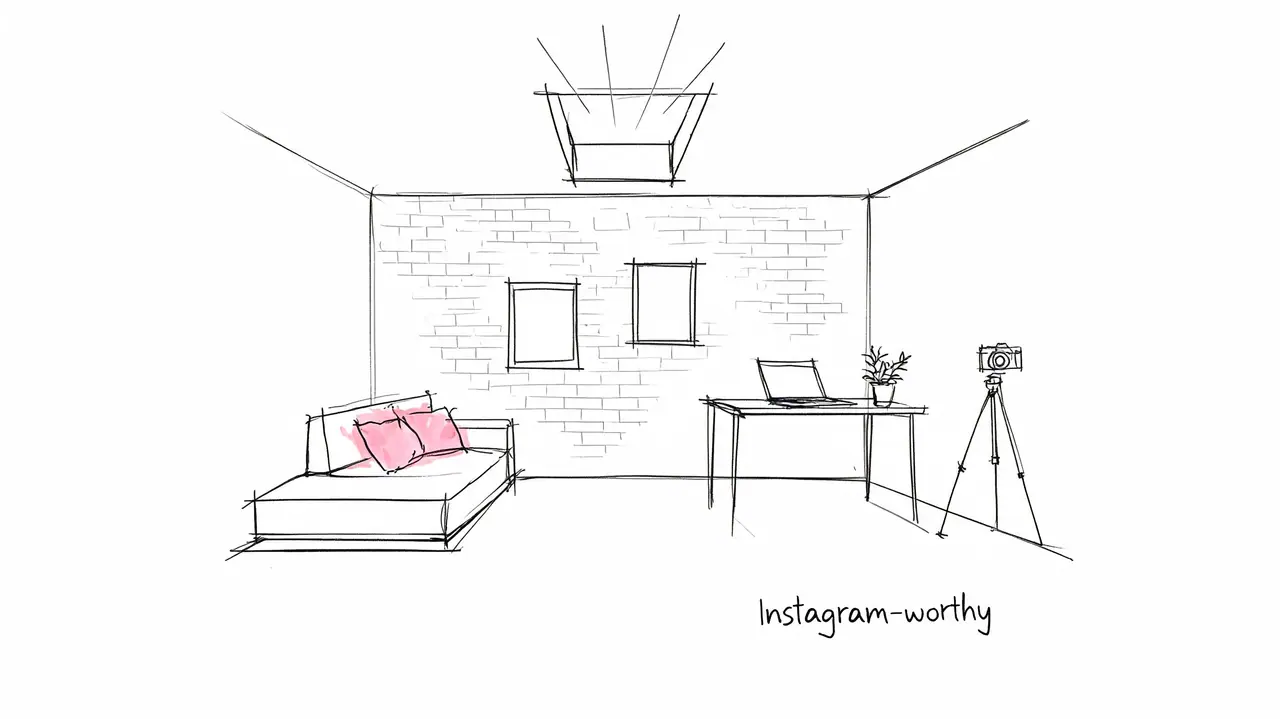
A Brooklyn converted warehouse, an Austin loft near nightlife, and a Portland apartment in a walkable district should all lead with vibe and access. You're not selling “open plan living.” You're selling the ability to walk to coffee, bars, galleries, music, and transit, then come back to a space that feels current and comfortable.
Before and after
Before
“Modern loft with cool decor in a convenient downtown location.”
After
“This bright loft puts you in the middle of the neighborhood's best energy. Step out for coffee, record shops, cocktails, and late dinners, then come home to exposed brick, high ceilings, and a space that feels equal parts creative hideout and clean city base.”
The after version works because it leads with lifestyle, then anchors it with details. It also sounds like the guest it's trying to attract.
Use casual language carefully. “Instagram gold” can work if the property photographs that way. “Vibrant” only works if the area is lively and the photos support it. Don't force slang. If you're a professional operator, the listing still needs clarity.
Write this type of copy around:
- Neighborhood identity: Name the local feel, such as artsy, nightlife-heavy, walkable, or design-forward.
- Movement: Mention how guests will get around, especially transit or walkability.
- Visual hooks: Exposed brick, skylights, concrete floors, murals, rooftop views, or local art.
- Stay pattern: Coffee in the morning, exploring in the day, bars or music at night.
Mini-template
“Use this loft as your home base for [city/neighborhood] days and nights. You're close to [cafes/bars/galleries/transit], with a space that features [design detail], [layout feature], and [comfort amenity]. It's a strong fit for travelers who want a stay that feels local, easy, and a little more character-filled than a standard apartment.”
4. Beachfront Vacation Home – Inspirational & Escape-Focused Tone
Beach copy should change the guest's pulse a little. If it reads like a hardware list, you've missed the point.
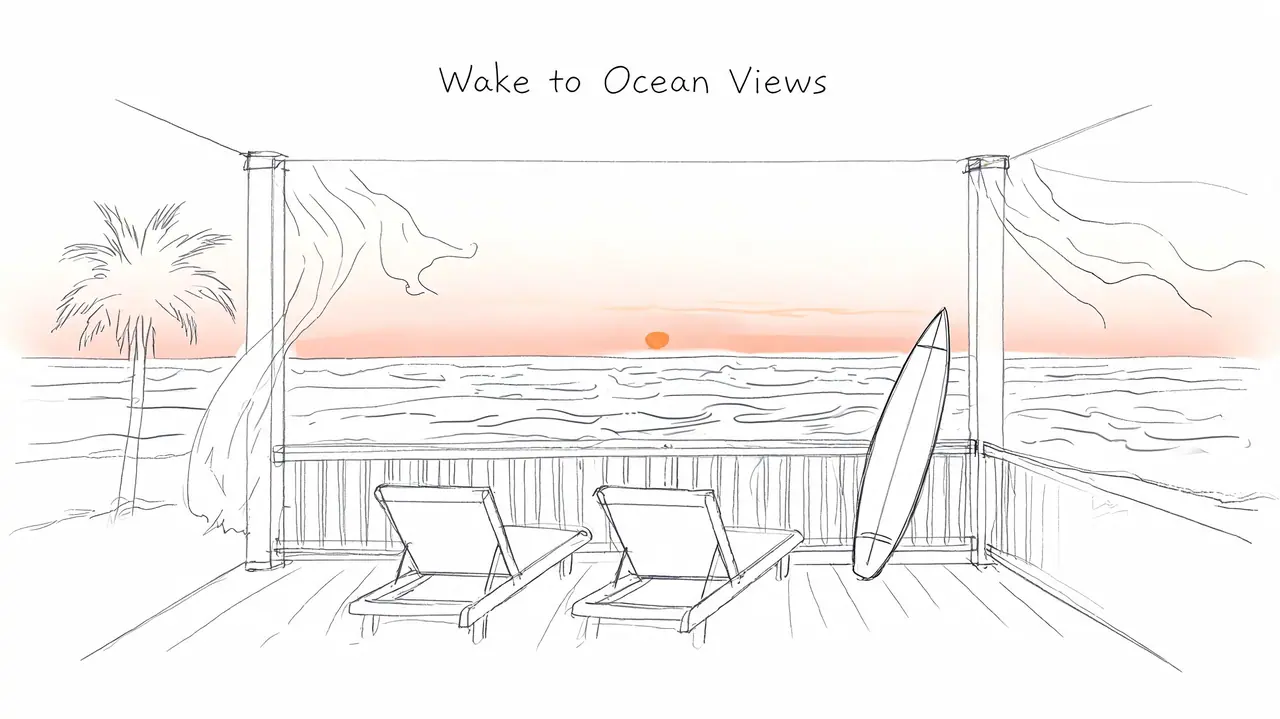
The strongest beachfront descriptions lead with the feeling of being there. Morning light, outdoor coffee, the sound of water, sunset views, easy access to the shore. Then they support that promise with useful details like beach gear, outdoor shower, deck seating, direct access, and sleeping arrangement.
Before and after
Before
“Nice beach house with ocean views, private pool, and room for large groups.”
After
“Wake up to open water views and end the day with sunset from the deck. This beachfront home is set up for slow mornings, sandy afternoons, and easy evenings, with generous indoor-outdoor living, space for groups to gather, and the kind of shoreline access guests book months ahead for.”
That version works because it sells transformation. The guest isn't just renting beds. They're buying relief.
Many hosts overstuff the listing with check-in notes, parking rules, and appliance instructions. Keep the public description focused. Existing guidance often says be skimmable and front-load your best selling points, but it rarely solves the practical line between selling and over-explaining. That's where a separate guest guide helps, as discussed in Your.Rentals' advice on writing a vacation rental description.
Public listing copy should sell the stay. Your welcome book should run the stay.
A Maldives-style overwater stay, a Caribbean villa, and a Bali beachfront property would all use this emotional structure differently. One leans into privacy. One leans into group luxury. One leans into wellness and scenery. The frame changes with the guest.
Mini-template
“Trade your routine for waterfront days at this [property type] set right by [beach/ocean/bay]. Guests love the [view/access/outdoor feature], plus [pool/deck/lounge amenity] for easy hours outside. Whether you're here for [swimming/sunsets/paddleboarding/doing very little], the home makes it easy to settle into vacation mode fast.”
5. Budget-Friendly Shared Accommodation – Friendly & Value-Focused Tone
Budget listings win with honesty. Not apology. Not fake luxury. Honesty.
If the bathroom is shared, say it clearly. If the room is compact, say compact. If the building has stairs and no elevator, say that too. Guests booking hostels, private rooms, co-living spaces, and low-cost hotels aren't asking for premium. They're asking for clean, safe, social, and well-located.
What honesty looks like in budget copy
Before
“Affordable accommodation with everything you need for a fantastic stay.”
After
“Simple, clean, and well-located, this stay is a smart choice if you'd rather spend your budget on the city than on the room. You'll have a comfortable place to sleep, dependable basics, and access to shared spaces that make it easy to meet people or plan the next day.”
That rewrite works because it positions value without pretending to be something else. It tells the right guest, “This is for you.”
Real examples help sharpen the tone. A Bangkok hostel can lean into rooftop gatherings and local food culture. A Berlin shared stay can highlight co-working and transit. A Lima budget hotel can focus on walkability and host knowledge. In every case, the copy should sound open and straightforward.
What to include
- Shared reality: Explain what spaces are private and what's shared.
- Best-value benefits: Transit access, social spaces, kitchen access, secure entry, or desk space.
- Community angle: Events, common areas, local tips, or traveler-friendly atmosphere.
- Limitations: Noise, stairs, compact layout, or basic furnishing, stated calmly.
Guests forgive small rooms. They don't forgive surprises.
If you manage this category, keep your listing body lean and put the practical extras in your guest guide. That's especially useful when you need one simple mobile place for Wi-Fi, house rules, local recommendations, and check-in support.
Mini-template
“Looking for a clean, well-located stay without paying for extras you won't use? This [private room/shared room/budget hotel room] offers [core basics], plus access to [shared kitchen/lounge/co-working area]. It's a strong fit for travelers who value [price/location/community] and want a reliable base near [transit/center/local attractions].”
6. Mountain Retreat/Ski Lodge – Adventure & Rugged Tone
Mountain listings should feel capable. Guests are planning around weather, gear, trail access, and recovery after the day outside. If your copy sounds soft and generic, it won't match the trip they're taking.
A ski chalet near Aspen, a Rocky Mountain hiking lodge, or a Lake Tahoe winter cabin should all answer the same booking question fast. How close am I to the action, and how easy is it to come back tired, cold, or muddy?
Before and after
Before
“Cozy cabin in the mountains with fireplace and beautiful scenery.”
After
“Set up for days outside, this mountain retreat makes early starts and easy returns simple. Guests come back from the slopes or trails to gear storage, warm gathering spaces, and recovery comforts like a hot tub, sauna, or fire-lit living room, depending on the season.”
That works because it frames the property as part of the adventure system. It also helps guests picture the whole rhythm of the stay.
Use exact activity language. Name nearby trails if you can verify them. Mention ski access, gear drying area, mudroom, boot storage, wood stove, or lake access if those are real. Be especially careful with seasonal promises. A summer hiking cabin and a winter ski lodge need different copy, even if they're the same property.
Mini-template
“Use this mountain home as your base for [ski days/hiking weekends/lake adventures]. You'll be close to [lift/trail/lake/park], with practical features like [gear storage/drying area/mudroom] and end-of-day comforts such as [hot tub/fireplace/sauna]. It's a strong fit for guests who want the outdoors first without giving up a warm place to reset.”
One more trade-off. Don't clutter this listing with tire chain instructions, fireplace procedures, and bear safety notes. Those are essential, but they belong in your arrival materials where guests can use them.
7. Historic/Boutique Property – Charming & Story-Driven Tone
Historic listings earn their keep through character, but character alone won't carry bad copy. If you lean too far into story, guests can't tell what they're booking. If you ignore the story, you flatten the entire reason your property is special.
How to tell the story without drifting into fluff
Before
“Unique historic home with lots of charm and modern updates.”
After
“Stay in a character-filled home where original details still shape the experience. Period architecture, thoughtful restoration, and a setting with real sense of place give this property more personality than a standard rental, while updated comforts keep the stay easy.”
That version does two things well. It protects the charm, and it reassures the guest that the property still functions for modern travel.
A New Orleans French Quarter home should sound different from an Edinburgh townhouse or a Tuscan villa. Use the architectural style if you know it and can verify it. Mention original features only when they're there. If the property has documented history, include it. If it doesn't, don't invent a legend because it “sounds boutique.”
Good boutique copy usually includes:
- Verified history: Building era, style, or restoration facts you can stand behind.
- Distinctive features: Original floors, ceiling beams, stone walls, shutters, fireplaces, or courtyard details.
- Balanced comfort: Renovated bath, climate control, updated kitchen, quality bedding.
- Local context: Why the property feels rooted in the area.
This category also benefits from restraint. You don't need a long paragraph about every former owner. One or two grounded lines create trust. Anything more can feel like museum text.
Mini-template
“Experience a stay with real character in this [historic home/boutique suite/heritage property]. The space blends [verified architectural or design feature] with modern comforts like [updated amenity], creating a stay that feels distinctive without feeling difficult. Well-suited for guests who value atmosphere, local character, and a property that tells a more interesting story than a standard listing.”
8. Business Travel/Corporate Housing – Professional & Practical Tone
Need to win more weekday bookings without attracting the wrong guest? Write this type of listing like an operations manager, not a travel brochure.
Business travelers scan for risk. They want to know whether the Wi-Fi is dependable, the check-in process is clear, the workspace is usable, and the location makes their work trip easier. If your description spends more time on “stylish decor” than on arrival logistics, desk setup, parking, or transit, you lose trust fast.
Before and after
Before
“Great apartment for business travelers with Wi-Fi and easy access to downtown.”
After
“Set up for work trips and extended stays, this apartment includes a dedicated desk, dependable internet, and a quiet layout that supports calls, focused work, and consistent sleep. Guests also get straightforward access to downtown offices, transit, and key routes, plus an arrival process designed to be simple after a long travel day.”
The stronger version answers the questions that affect booking decisions. Can I work here? Will I sleep well? Will getting in and out of the building be easy? That is the job of corporate-housing copy.
Location details should match how professionals move through that city. In San Francisco, call out transit access and workspace quality. In Houston, parking and drive times often matter more. In Chicago's Loop, walkability to offices, trains, and convention venues can carry the listing. Generic “close to everything” language does none of that.
Good corporate-housing copy usually includes:
- Work setup: Dedicated desk, task chair, lighting, outlet access, monitor if provided
- Connectivity: Reliable internet, backup options if available, strong cell signal
- Arrival logistics: Self check-in, building access, elevator details, parking instructions
- Stay function: Laundry, full kitchen, longer-stay storage, quiet hours, blackout shades
- Location utility: Commute routes, business districts, hospitals, campuses, transit, airport access
Mini-template
“Built for work trips and longer stays, this [apartment/suite/corporate rental] includes [desk or workspace detail], [internet detail], and convenient access to [business district, hospital, campus, transit, or airport route]. The layout supports both productive workdays and comfortable evenings, with [parking, laundry, kitchen, or self check-in detail] that helps guests settle in quickly and stay on schedule.”
One practical note from managing these bookings. Business guests rarely complain about copy that feels plain. They do complain when the listing promises convenience but leaves them hunting for the Wi-Fi code, parking rules, or entry steps at 10 p.m. Keep the description focused on decision-making. Put the operational details in a mobile-friendly house guide and make sure every claim in the listing matches the guest experience.
8-Style Vacation Rental Description Comparison
Which description style fits your property, your guest, and the rate you want to charge?
Use this table as a working guide, not a scorecard. The point is to match the right tone to the right stay experience, then write copy that supports the booking outcome you want. I use comparisons like this to keep owners from copying a luxury-city script onto a family house or writing “fun” loft copy for a business rental that needs to sell reliability.
| Listing Type | Writing and Operations Complexity | What You Need to Back It Up | Likely Booking Outcome | Best Fit | Practical Advantage |
|---|---|---|---|---|---|
| Luxury Urban Apartment. Professional & polished tone | High. Guests expect consistency across the photos, description, check-in, and in-stay service | Designer furnishings, strong photography, hotel-level cleanliness, fast guest support | Premium rates, fewer but more qualified inquiries, stronger review expectations | High-end city apartments, premium condos, upscale short-term rentals | Helps justify higher nightly pricing if the real guest experience matches the promise |
| Cozy Family Home. Warm & welcoming tone | Medium. The copy is straightforward, but the home has to solve family logistics | Safe layout, stocked kitchen, laundry, kid-friendly extras, simple arrival process | Longer stays, repeat family bookings, fewer pre-booking questions | Suburban homes, vacation houses near parks or attractions, larger cottages | Attracts guests who book for function first and comfort second |
| Trendy Urban Loft. Hip & casual tone | Medium. You need fresh visuals and clear rules so style does not create confusion | Distinct decor, updated photos, noise guidance, realistic amenity details | Frequent short stays, strong appeal on social platforms, solid weekend demand | Downtown lofts, creative studios, compact city stays | Pulls in guests booking for atmosphere, location, and identity |
| Beachfront Vacation Home. Escape-focused tone | Medium to high. Emotional copy works, but beach guests are quick to notice overpromising | Outdoor seating, beach access details, maintenance plan, weather-ready operations | Premium seasonal rates, higher demand for holidays, stronger upsell opportunities | Beach houses, waterfront villas, coastal cottages | Sells the trip feeling, which matters more here than square footage |
| Budget-Friendly Shared Accommodation. Friendly & value-focused tone | Low to medium. The writing should be clear, honest, and easy to scan | Clean shared spaces, simple furnishings, posted house rules, smooth self check-in | High occupancy, more price-sensitive bookings, lower Average Daily Rate | Hostels, room rentals, co-living spaces, budget traveler properties | Wins on clarity and trust. Guests book faster when expectations are obvious |
| Mountain Retreat/Ski Lodge. Adventure & rugged tone | Medium to high. Seasonal access and safety details matter as much as the mood | Gear storage, heat reliability, parking guidance, weather prep, outdoor amenities | Premium peak-season rates, repeat seasonal guests, strong holiday demand | Ski chalets, cabins, hiking lodges, remote retreats | Lets you charge more during high-demand periods if access and comfort are described clearly |
| Historic/Boutique Property. Charming & story-driven tone | High. You are selling character, but guests still expect modern comfort | Restoration care, accurate photos, property backstory, clear notes on quirks | Premium bookings, strong differentiation, better fit with guests seeking character | Heritage homes, restored inns, one-of-a-kind boutique stays | Gives guests a reason to choose you over a newer but less memorable listing |
| Business Travel/Corporate Housing. Professional & practical tone | Medium. The copy should answer work-trip questions fast | Desk setup, reliable internet, self check-in, parking, laundry, quiet sleep conditions | Longer stays, repeat company bookings, steadier occupancy, higher weekday demand | Serviced apartments, extended-stay units, medical and corporate housing | Brings more predictable revenue than weekend-driven leisure listings |
A few trade-offs matter here.
Higher-paying categories usually demand tighter delivery. If you write polished city-apartment copy, guests expect polished service. If you write escape-driven beach copy, guests expect the view, access, and outdoor setup to carry the stay. The wrong tone does not just miss the guest. It creates review friction because the listing set the wrong expectation.
This comparison also helps when you use the before-and-after rewrites in this guide. Each example is built to show three things: how weak copy sounds, how stronger copy reads after revision, and which guest that revised version is meant to convert. That matters more than trying to sound impressive.
Use the mini-templates the same way. Pick the row that matches your property, borrow the structure, and swap in details your guest can verify the minute they arrive.
Key Takeaways: Your Blueprint for Better Descriptions
What makes one listing sound bookable in 15 seconds while another feels generic, even if the property is better?
Usually, it comes down to match. Strong vacation rental descriptions help the right guest recognize the stay fast. Weak ones describe the property in broad, flattering language and force the guest to do the sorting work themselves.
The safest way to write better copy is to start with the guest's booking trigger. Families want convenience and less friction. Couples want privacy, mood, and a reason to choose your place over a standard hotel. Business travelers want a stay that sounds dependable before they ever ask a question. Budget guests want clear value without hype. Once you identify that trigger, the description gets easier to write and easier for the guest to trust.
Specifics do the selling. "Great location" says almost nothing. "Five-minute walk to the ski shuttle," "fenced backyard for kids," "separate desk in the primary bedroom," or "private boardwalk access to the beach" gives a guest something they can picture and verify on arrival. That is the standard to use throughout the before-and-after examples in this guide.
Structure matters just as much as wording. Guests skim on their phones, often while comparing several listings at once. Lead with the main reason to book. Keep paragraphs tight. Put high-conversion details near the top. Save check-in steps, Wi-Fi instructions, house rules, and appliance how-tos for your guest materials instead of loading them into the public description.
That separation protects you in two ways. Your listing stays focused on conversion, and your guests get operational details in the place they specifically need them after booking.
That is also the practical value of the toolkit in this article. The before-and-after rewrites show how to turn vague copy into copy with a clear audience, a clear tone, and a clear promise. The strategic breakdowns explain why the stronger version works. The mini-templates give you a shortcut you can copy, adapt, and publish without starting from a blank page.
One more trade-off is worth keeping in mind. The more polished and premium your copy sounds, the more precise the guest expectation becomes. If you present a city apartment as refined and high-end, the guest expects design, cleanliness, and service to match. If you write an escape-focused beach description, the outdoor setup, access, and sense of getaway need to carry the stay. Good copy helps you win the right booking. Accurate copy helps you keep the review.
If you want your listing description to stay focused on conversion while your guest information stays organized, ScanStay is built for exactly that. You can turn your check-in details, Wi-Fi info, house rules, local recommendations, and video how-tos into one mobile-friendly digital welcome book that guests open with a simple QR code. It's a cleaner system for hosts, a smoother experience for guests, and an easy way to stop cramming operational details into the public listing where they don't belong.